
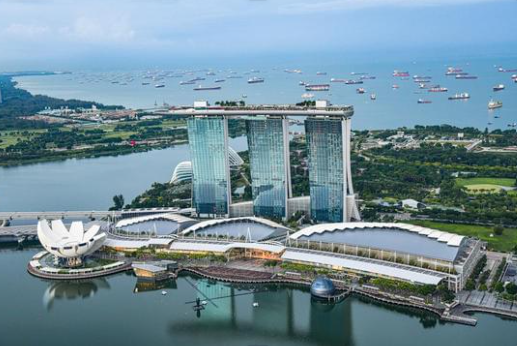
Asia’s maritime sector stands at a critical crossroads, poised to redefine its role in the global shipping ecosystem. As the world’s largest exporter region and home to some of the busiest ports on Earth—from Singapore and Shanghai to Busan and Yokohama—Asia’s shipping lanes are the arteries of global commerce. Yet, a new dimension is emerging to shape the industry’s future: the green energy transition. Faced with urgent environmental mandates, shifting market expectations, and pioneering technological innovations, Asian maritime stakeholders are working tirelessly to chart a more sustainable course.
Rising Environmental Imperatives
The urgency to decarbonize maritime activities has grown ever more pronounced in recent years. With the International Maritime Organization (IMO) setting ambitious targets to halve greenhouse gas (GHG) emissions by 2050 (compared to 2008 levels), both established and emerging maritime economies in Asia are exploring cleaner energy pathways. This push is fueled not only by regulatory pressure but also by heightened investor scrutiny, increased public environmental awareness, and the desire to achieve long-term operational resilience. In essence, the maritime sector can no longer rely solely on traditional heavy fuel oil; it must align with a more sustainable, low-carbon model.
Innovations in Fuel and Technology
One of the most visible shifts in Asia’s green energy transition comes in the form of alternative fuels. Liquefied Natural Gas (LNG) has gained traction as a “bridge fuel,” and Singapore’s Pavilion Energy has already conducted successful LNG bunker deliveries to vessels in the region, setting a precedent for safer and cleaner fueling practices. Beyond LNG, shipping companies and shipbuilders are rapidly testing next-generation solutions like ammonia, methanol, and even hydrogen. In Japan, Kawasaki Heavy Industries and Yanmar are actively researching hydrogen propulsion systems for coastal vessels, while Mitsui O.S.K. Lines (MOL) has partnered with IHI Power Systems to explore ammonia-fueled engines.
To support the use of new fuels, leading shipyards in South Korea—such as Hyundai Heavy Industries—are producing vessels with improved hull designs and integrated energy management systems that reduce drag and optimize fuel efficiency. Wind-assisted propulsion is also making inroads: Oshima Shipbuilding and Mitsui O.S.K. Lines are collaborating on the “Wind Challenger” project, where rigid wing sails on bulk carriers can reduce emissions by harnessing wind power.
Green Ports and Infrastructure
The green energy transition isn’t confined to what happens at sea. Asia’s ports are reimagining themselves as sustainable energy hubs. The Port of Singapore, for example, has been a pioneer in LNG bunkering and is investing heavily in electrified cargo handling equipment and onshore power supply solutions. This step allows vessels to “plug in” at berth, reducing reliance on onboard generators and significantly cutting local pollutants. The Port of Busan in South Korea, too, is exploring the integration of microgrids and solar energy systems to power terminal operations, while the Port of Yokohama in Japan has initiated trials with hydrogen-fueled tugboats to service incoming vessels.
Collaboration Across Borders and Sectors
A successful transition to green maritime energy requires collaboration on multiple levels. Asian stakeholders are forging alliances to test green shipping corridors that facilitate the reliable supply of alternative fuels. For instance, the “Green Corridor” initiative between ports in Singapore and Rotterdam—though intercontinental—is drawing on Asian expertise and leadership to ensure these routes become benchmarks for sustainable maritime transport. Financial institutions, like the Asian Development Bank, are also stepping up to fund sustainable port developments and clean vessel retrofits, while technology firms, such as Samsung Heavy Industries’ digital solutions division, are pioneering AI-driven ship navigation and route optimization tools.
Building the Right Talent and Expertise
As the sector pivots toward cleaner fuels, advanced technologies, and more sustainable supply chains, the need for skilled professionals and specialized talent has never been greater. Forward-looking companies like Keppel Offshore & Marine are investing in training their engineers to handle new LNG bunkering procedures and advanced propulsion systems. Maritime academies in Japan and South Korea are updating their curriculums to include modules on environmental compliance, data analytics, and emerging clean fuels.
This is where Greenstream can lend a hand. Through our talent development initiatives, training modules, and network-building programs, we connect maritime companies, ports, and related stakeholders with the human capital they need. Our expert-led workshops, certification courses, and customizable workforce solutions help organizations upskill their teams, bridge knowledge gaps, and stay abreast of evolving technologies. By focusing on capacity-building and professional development, Greenstream empowers the sector’s workforce to navigate the green energy transition with confidence and competence.
The Road Ahead
The green energy transition in Asia’s maritime industry is still unfolding, yet the direction is set. As technologies mature and regulatory frameworks evolve, the pace of change will likely accelerate. Companies that proactively adapt, diversify fuel portfolios, and invest in future-ready fleets—and the talent to manage them—will be better positioned to thrive in a carbon-constrained world.
At Greenstream, we believe that this transformation holds vast potential—not only for the industry’s long-term stability but for the health of our planet. By encouraging the adoption of cleaner fuels, smarter ships, greener ports, and well-trained professionals to champion these changes, Asia’s maritime community is shaping a more sustainable global supply chain. Amid these dynamic developments, one thing is clear: the green energy transition is no longer an aspirational idea; it is the new compass guiding maritime progress forward.