
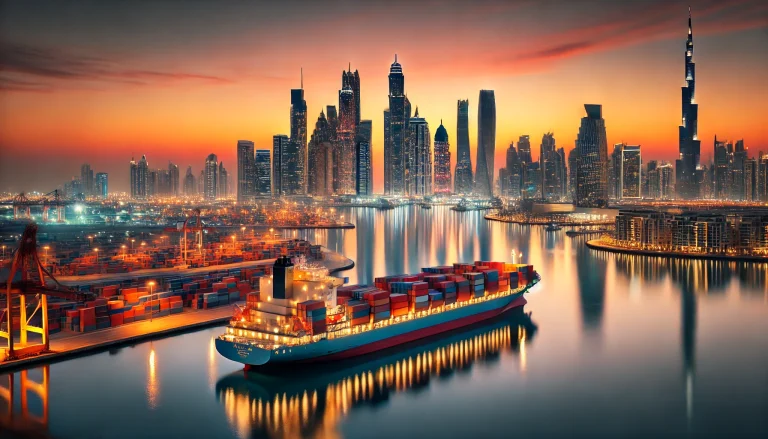
For decades, the Middle East Gulf region has stood at the center of global energy markets, serving as a cornerstone of the petroleum industry and a vital maritime hub connecting Asia, Africa, and Europe. Yet in recent years, the tides are turning—not away from its maritime prominence, but toward a more sustainable future. Spurred by international environmental regulations, market pressures, and ambitious national sustainability visions, the Gulf’s maritime industry is making bold moves to transition from heavy fuel oil and diesel toward cleaner, greener energy sources.
A Confluence of Pressures and Opportunities
Globally, the maritime sector is grappling with the need to drastically reduce its carbon footprint. The International Maritime Organization (IMO) has set increasingly stringent targets to cut greenhouse gas (GHG) emissions, pushing shipowners, port operators, and supply chain managers worldwide to seek new low- or zero-emission solutions. These global imperatives coincide with several regional transformations. Many Gulf countries—including the United Arab Emirates, Saudi Arabia, Qatar, and Oman—have integrated decarbonization into their national development strategies, investing heavily in renewables and cleaner technologies.
For the Gulf region’s maritime stakeholders, embracing green energy is not just about regulatory compliance. It’s also an opportunity to future-proof operations, attract sustainable investment, and align with the region’s broader economic diversification agendas, such as Saudi Arabia’s Vision 2030 and the UAE’s Energy Strategy 2050. As global shipping lines begin to favor ports and suppliers able to provide low-emission bunkering options, the Middle East Gulf’s maritime industry aims to retain its competitiveness and leadership by being an early adopter of sustainable energy solutions.
A Shift in Marine Fuels: From Oil to Alternatives
A major element of this transition is the exploration and adoption of cleaner marine fuels. While liquefied natural gas (LNG) initially gained momentum as a “bridge” solution—offering significant reductions in sulfur and particle emissions—regional ports and shipowners are now looking beyond LNG to next-generation fuels. Hydrogen, ammonia, biofuels, and synthetic e-fuels are all on the maritime horizon.
- Green Hydrogen & Ammonia: The Gulf’s sunny climate and abundant wind resources provide an ideal setting for producing green hydrogen and, subsequently, green ammonia. These fuels hold promise as scalable, zero-carbon energy carriers that can power large vessels over long distances. Already, partnerships are forming across the region’s energy and shipping sectors to test ammonia-fueled engines and develop hydrogen bunkering infrastructure.
- Biofuels and Blends: While still emerging, biofuels—derived from sustainable feedstocks—offer another step toward carbon neutrality. As international supply chains develop for advanced biofuels, Gulf ports could become strategic bunkering hubs, mixing conventional and advanced fuels to progressively lower the emissions profile of transiting vessels.
Port Infrastructure: A Green Makeover
Sustainable maritime energy extends well beyond the choice of bunker fuel. Ports across the Middle East Gulf are undergoing a transformative green makeover. Electrification of port operations—from cranes and forklifts to shore power connections for berthed ships—can dramatically cut emissions and noise pollution. Coupled with investments in solar PV installations, wind turbines along coastlines, and smart-grid technology, these upgrades are turning ports into clean energy ecosystems.
In the UAE, for instance, major ports are setting ambitious environmental targets, incorporating renewable energy and electric equipment to reduce their carbon footprint. In Oman, plans are in motion to develop green hydrogen export hubs that could eventually serve as maritime fueling stations. Saudi Arabia’s Red Sea and Arabian Gulf ports are exploring renewable-driven supply chains as part of the kingdom’s broader sustainability and economic diversification goals.
Digitalization, Efficiency, and Operational Reforms
Improving energy efficiency is as much about operational innovation as it is about new fuels. Digitization tools—such as advanced navigation software, predictive maintenance analytics, and blockchain-based supply chain management—are helping shipping lines and port operators optimize routes, reduce waiting times, and minimize fuel consumption. Aggregated at scale, these efficiencies can produce substantial emission cuts and cost savings.
Emerging regulatory frameworks and industry coalitions are also fostering more responsible maritime practices. Initiatives like the “Getting to Zero Coalition” and various regional environmental forums encourage knowledge-sharing, pilot projects, and the harmonization of standards. Gulf-based maritime players are increasingly collaborating with global partners to test scalable solutions, building a robust ecosystem of innovation.
Securing the Right Talent for a Sustainable Future
This green maritime transformation in the Middle East Gulf requires more than just technology and infrastructure—it demands the right talent. The shift toward low-carbon fuels, digitalization, and integrated sustainability strategies is creating a surge in demand for new skill sets. Companies need engineers adept in hydrogen and ammonia systems, digital specialists fluent in smart-port solutions, project managers versed in renewable integration, and sustainability officers who can guide compliance and reporting.
This is where GreenStream comes in. Our platform is dedicated to helping maritime companies identify and recruit specialized talent ready to drive the green energy revolution. By leveraging our extensive network of sustainability-focused professionals, we connect employers with candidates who are not only skilled and qualified, but also committed to environmental leadership. Through customized search solutions, in-depth industry knowledge, and a keen understanding of the maritime sector’s evolving demands, GreenStream ensures that companies can find the right people to navigate these waters of change.
Charting a New Course
The maritime energy transition in the Middle East Gulf is not just a regulatory box to be checked—it’s a strategic imperative and an opportunity to shape a more resilient, sustainable industry. By embracing cleaner fuels, renewable-powered infrastructure, digital innovation, and responsible supply chains, the region’s maritime ecosystem is charting a bold new course. Achieving this transformation requires vision, investment, and, importantly, access to the best talent the sector has to offer. With GreenStream assisting in the search for specialized professionals, Gulf-based maritime companies can be confident they have the expertise, leadership, and ingenuity needed to sail smoothly into a green and prosperous future.