
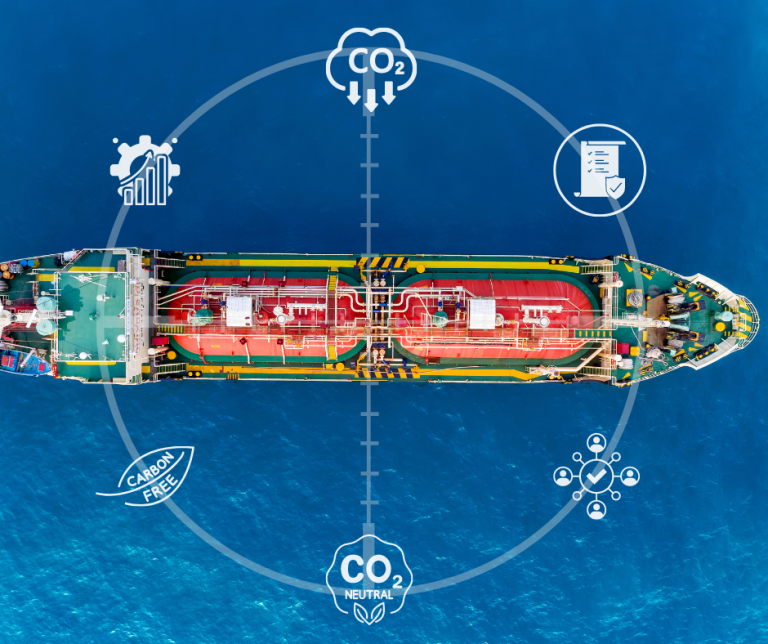
In recent years, the marine renewables and broader maritime sectors have experienced a transformative shift. With increasing global emphasis on sustainable energy and the decarbonization of industries, naval architects find themselves at the forefront of innovation and design. Their expertise in shipbuilding, offshore structures, and hydrodynamics is proving indispensable as these industries adapt to the challenges and opportunities of a changing world.
Driving Forces Behind the Demand
1. The Green Energy Revolution
The marine renewables sector, encompassing offshore wind, wave, and tidal energy, has seen exponential growth. As nations commit to ambitious net-zero targets, the demand for sophisticated offshore platforms, floating wind turbines, and energy storage solutions has surged. Naval architects are uniquely equipped to design these complex systems, ensuring they withstand harsh oceanic conditions while maximizing energy efficiency.
2. Maritime Decarbonization
The International Maritime Organization (IMO) has set stringent targets to reduce greenhouse gas emissions from ships. This push for decarbonization has accelerated the development of alternative propulsion systems, including LNG, hydrogen, and ammonia-powered vessels. Naval architects play a critical role in designing hulls optimized for these new fuels and retrofitting existing fleets to meet environmental standards.
3. Advanced Technologies and Digitalization
Technological advancements, such as autonomous vessels and digital twins, are reshaping the maritime landscape. Naval architects are leveraging cutting-edge tools, like computational fluid dynamics and 3D modelling, to create innovative designs that meet the demands of modern shipping and energy production.
Key Roles of Naval Architects
Offshore Renewable Energy Structures
From designing floating wind farms to creating platforms for wave energy converters, naval architects are central to the marine renewable energy revolution. Their work ensures that these structures are not only efficient but also cost-effective and sustainable.
Sustainable Ship Design
Naval architects are tasked with creating vessels that balance performance, safety, and environmental considerations. This includes everything from optimizing hull designs to reduce drag and fuel consumption to integrating renewable energy sources like solar panels and wind-assisted propulsion systems.
Retrofitting and Upgrading Existing Fleets
The maritime industry’s transition to greener operations involves retrofitting older vessels with cleaner technologies. Naval architects analyze and redesign these ships to extend their operational life while meeting new regulatory requirements.
Challenges and Opportunities
Talent Shortage
Despite the growing demand, the maritime industry faces a shortage of skilled naval architects. Educational institutions and industry leaders must collaborate to attract new talent and provide specialized training in renewable energy technologies.
Cross-Industry Collaboration
The complexity of modern projects often requires interdisciplinary expertise. Naval architects increasingly work alongside mechanical engineers, environmental scientists, and IT specialists to develop holistic solutions.
Regulatory and Economic Pressures
Evolving international regulations and fluctuating economic conditions pose challenges for the maritime sector. Naval architects must design adaptable solutions that align with both current and future standards while remaining cost-effective.
The Future of Naval Architecture
The marine renewables and maritime sectors offer unprecedented opportunities for naval architects to innovate and lead. As these industries continue to evolve, the role of naval architects will expand, encompassing not only traditional shipbuilding but also cutting-edge renewable energy projects and digital technologies.
Investing in education, research, and cross-industry partnerships will be key to meeting the growing demand for skilled professionals in this field. With their unique blend of technical expertise and creative problem-solving, naval architects are poised to drive the sustainable transformation of the world’s oceans.
Regional Focus: Asia-Pacific and the Middle East Gulf
The Asia-Pacific and Middle East Gulf regions are emerging as critical hubs for marine renewables and maritime innovation. The Asia-Pacific boasts vast offshore wind potential and an expanding shipbuilding industry, while the Middle East Gulf is increasingly investing in decarbonization projects and renewable energy infrastructure. Naval architects in these regions are tackling unique challenges, such as extreme weather conditions and rapid urbanization, to deliver cutting-edge solutions.
GreenStream: Specializing in Naval Architect Talent
GreenStream specializes in connecting the marine renewables and maritime sectors with top-tier naval architect talent. By leveraging an extensive network and deep industry expertise, GreenStream identifies and places skilled professionals who are equipped to meet the unique challenges of these industries. Whether it’s sustainable ship design, offshore renewable energy structures, or retrofitting fleets for greener operations, GreenStream ensures organizations have access to the talent they need to innovate and succeed.