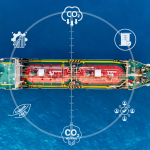
As the world intensifies its focus on decarbonization and sustainability, private equity (PE) and venture capital (VC) firms are gearing up for transformative opportunities in the green maritime and marine sectors. The coming year promises significant activity as investors look to capitalize on technological advancements, regulatory shifts, and the pressing need to address climate change. Here’s a detailed analysis of what 2025 holds for these sectors and the regions poised to see the most investment activity.
Key Drivers of Investment in Green Maritime and Marine Sectors
- Regulatory Push for Decarbonization:
- The International Maritime Organization (IMO) has set ambitious targets to reduce greenhouse gas (GHG) emissions by 50% by 2050. This has accelerated the demand for cleaner propulsion systems, alternative fuels like green hydrogen and ammonia, and carbon capture technologies.
- Technological Innovations:
- Startups and established players are developing groundbreaking solutions, including autonomous vessels, advanced battery systems, and AI-driven optimization software for shipping routes and operations.
- Growing Awareness of Ocean Health:
- The intersection of ocean conservation and technology is drawing investor interest. Innovations in aquaculture, ocean monitoring, and marine biodiversity restoration are seen as both impactful and lucrative.
- Public and Private Collaboration:
- Governments worldwide are introducing incentives and subsidies for green maritime initiatives, while public-private partnerships are fostering an environment ripe for innovation and growth.
Global Hotspots for Green Investment
1. Europe
Europe remains at the forefront of the green maritime revolution. Countries like Norway, Denmark, and the Netherlands are leading with initiatives in hydrogen fuel cell technology, electrification of ferries, and autonomous shipping. Additionally, the European Union’s Green Deal continues to provide substantial funding for research and development.
2. Asia-Pacific
The Asia-Pacific region, home to some of the world’s busiest ports and largest shipbuilding hubs, is expected to witness significant investment. Japan and South Korea are advancing in hydrogen-powered vessels and shipyard innovations, while Singapore is positioning itself as a hub for maritime tech startups. China’s focus on green shipping aligns with its broader decarbonization goals, presenting opportunities for large-scale implementation.
3. North America
The United States and Canada are gaining momentum in the green maritime space, driven by robust policies such as the Inflation Reduction Act and Canada’s Oceans Protection Plan. Investments are expected in renewable energy integration at ports, electric tugboats, and offshore wind support vessels.
4. Middle East
With its strategic location and heavy reliance on maritime trade, the Middle East is increasingly focusing on sustainable practices. The UAE and Saudi Arabia, in particular, are investing in green ports and alternative fuels as part of their broader economic diversification strategies.
5. Emerging Markets in Africa and Latin America
These regions, though currently lagging in large-scale green maritime adoption, are emerging as promising markets. Investment in infrastructure development, combined with abundant natural resources for renewable energy, makes them attractive for long-term projects.
Focus Areas for PE and VC Firms
- Alternative Fuels:
- Companies developing scalable solutions for green hydrogen, ammonia, and biofuels are likely to attract significant funding.
- Energy Efficiency Technologies:
- From AI-driven logistics to hull optimization solutions, technologies that reduce energy consumption and emissions are high on investors’ radar.
- Electrification and Batteries:
- The push towards fully electric or hybrid vessels is creating demand for advanced battery systems and supporting infrastructure.
- Sustainable Aquaculture and Ocean Tech:
- Beyond shipping, investors are exploring sustainable aquaculture, marine robotics, and data-driven solutions for ocean health monitoring.
- Green Ports:
- With ports being critical nodes in the global supply chain, investments in renewable energy integration, electrified equipment, and digital port management systems are growing.
Challenges and Risks
While the outlook is promising, challenges remain. High capital costs, regulatory uncertainties in certain regions, and technological scalability are hurdles that investors must navigate. Moreover, geopolitical tensions and supply chain disruptions could impact project timelines and returns.
Conclusion
The green maritime and marine sectors represent a convergence of necessity, innovation, and opportunity. In 2025, private equity and VC firms are expected to play a pivotal role in advancing sustainable practices and technologies. With Europe, Asia-Pacific, and North America leading the charge, and emerging regions gaining traction, the stage is set for a dynamic year ahead. By aligning investments with the global push for decarbonization and ocean health, firms can not only generate returns but also contribute to a more sustainable future for the maritime industry and the planet.